
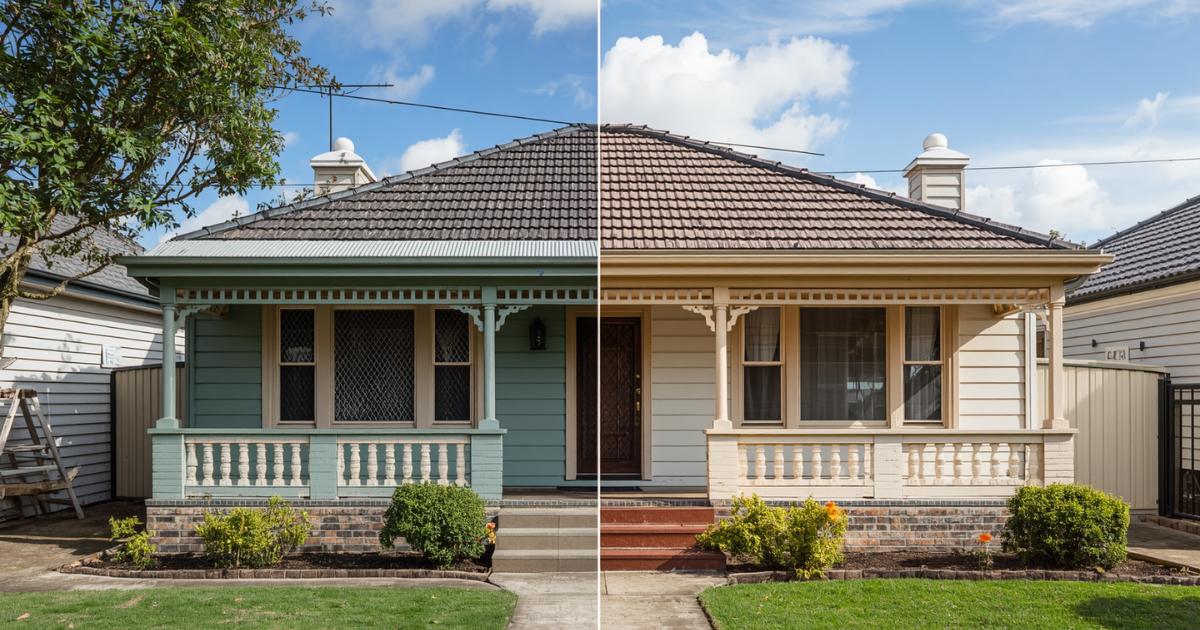

Most homeowners don’t notice paint problems until they’re pretty bad. And by then, what started as a surface issue has often turned into something that needs a lot more work to fix properly.
The good news? Your home usually gives you clear warning signs before things get out of hand. Here’s what to look for — and what it means for your walls.
Why Timing Matters With Repainting
Waiting too long between repaints doesn’t just mean your home looks dated. It means surface damage starts to compound. Peeling paint lets moisture in. Moisture causes rot, mould, and structural problems. What could’ve been a straightforward repaint turns into a major repair job.
So if you’re seeing any of the signs below, it’s worth acting sooner rather than later.
Sign #1: Peeling, Flaking, or Bubbling Paint
This is the most obvious one, and it’s almost always related to moisture. When water gets trapped under the paint film — either from the inside (poor ventilation) or outside (weather exposure) — it causes the paint to lift, bubble, or flake off.
On exterior surfaces, this is especially common around windows, fascias, and anywhere water can pool or run. On interior walls, you’ll often see it in bathrooms, kitchens, and laundries.
Left untreated, peeling paint exposes the surface underneath to more moisture — and the damage spreads fast.
What to do: The surface needs to be properly stripped, primed, and repainted. Painting over peeling paint without fixing the cause is a waste of time and money.
Sign #2: Chalking on Exterior Surfaces
Run your hand across an exterior wall. If you get a dusty, powdery residue on your fingers — that’s chalking. It’s what happens when the binders in paint break down over time from UV exposure.
Some chalking is normal as paint ages, but heavy chalking means the paint film is no longer protecting the surface. Rain will wash the chalk (and the remaining paint) away over time.
Chalking is very common on older Sydney homes that haven’t been repainted in 8–10+ years, especially north-facing walls that cop direct afternoon sun.
What to do: A thorough pressure wash, proper surface prep, and a fresh coat of quality exterior paint will sort it out.
Sign #3: Fading or Uneven Colour
Paint fades — it’s unavoidable. But when it fades unevenly, it makes a home look neglected fast. You’ll often see this as a patchwork of lighter and darker areas on the same wall, or a dramatic difference between the sunny side and shaded side of the house.
Cheap paints fade significantly faster than quality products. Premium paints from brands like Dulux, Taubmans, and Haymes are formulated with better UV-resistant pigments and last longer before showing fade.
If your home’s exterior looks washed out and dull, it’s a good sign the paint has done its job — and it’s time for a fresh one.
What to do: A full exterior repaint with a quality product will restore the colour and protect the surface for another 7–10 years.
Sign #4: Cracks, Stains, or Water Marks on Interior Walls
Inside the home, the signs are a bit different. Common things to watch for:
- Hairline cracks across walls or ceilings — often caused by the natural movement of a home, but they worsen over time if left untreated
- Water stains (yellow or brown rings) — almost always pointing to a leak above, whether from a roof, plumbing, or window seal
- Mould patches — a real health concern, especially in poorly ventilated bathrooms, laundries, and bedrooms in older homes
Mould on interior walls is a big one. It’s not just ugly — it can affect air quality and trigger respiratory issues. Anti-mould interior paints exist, but they work best when the mould is properly treated *before* painting, not just painted over.
What to do: Fix the source of any water damage first. Then, prep the surface properly — clean, treat, prime — before repainting. For interior painting in bathrooms or humid rooms, use a semi-gloss or appropriate anti-mould formula.
Sign #5: Your Home Is Starting to Look Dated
This one isn’t about damage — it’s about value. Paint trends change. What looked great in 2015 might now make your home look tired and out of step with the street.
If you’re thinking about selling your home, a fresh coat of paint is one of the best-value upgrades you can make. Buyers form an impression in the first 10 seconds. A clean, modern colour scheme tells them the home has been looked after.
Even if you’re not selling, a refresh can completely change how a room or exterior feels — without a renovation budget.
How Long Should Paint Last?
Here’s a quick guide for a Sydney home:
| Area | Expected Lifespan |
|---|---|
| Interior walls (low-traffic) | 8–12 years |
| Interior walls (high-traffic: kitchens, hallways) | 5–7 years |
| Exterior walls (quality product, proper prep) | 7–10 years |
| Timber fascias and eaves | 5–8 years |
| Roofs (tile or metal) | 10–15 years |
These figures assume quality paint and proper surface preparation. Skipping prep or using cheap products will cut these timelines significantly.
Not Sure If Your Home Needs Repainting?
Sometimes it’s hard to tell — especially on the exterior, where gradual fading can sneak up on you. If you’re unsure, have someone take a proper look.
At Aussie House Painting, we service Condell Park, Bankstown, Padstow, and surrounding areas across South-West Sydney. We’ll give you a straight answer about what your home actually needs — no upselling, no pressure.