
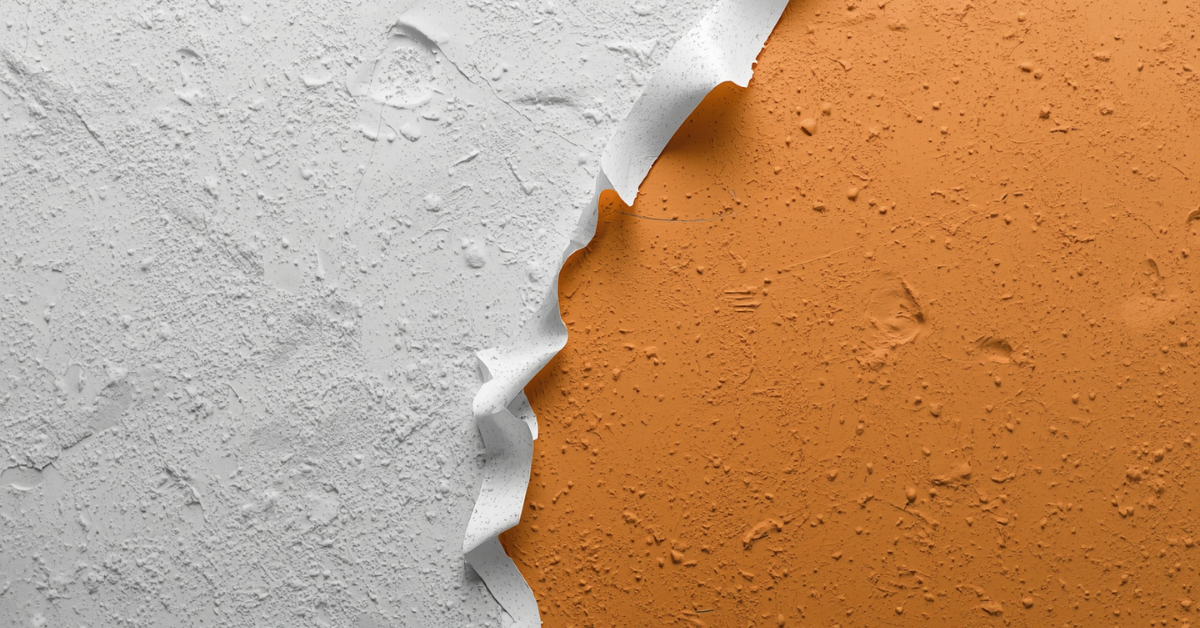

Nothing makes a home look more neglected than peeling exterior paint. And if you’ve had a paint job that’s started lifting within a few years of being done, you’re probably wondering what went wrong.
Here’s the truth: peeling exterior paint is almost always caused by one of a handful of problems — most of them preventable. Let’s look at what causes it and, more importantly, how to fix it so it doesn’t happen again.
The Main Causes of Peeling Exterior Paint
1. Moisture — The Number One Culprit
Water is the enemy of paint. When moisture gets trapped between the paint film and the surface underneath, it creates pressure that causes the paint to blister, bubble, and eventually peel.
Moisture gets in from multiple directions:
- Rain and weather exposure — especially on south-facing walls that stay damp longer
- Rising damp — moisture moving up from the ground into rendered or brick walls
- Poor ventilation inside — steam and moisture from bathrooms and kitchens can push through walls from the inside out
- Window and door seals — cracked or absent sealant lets water track behind the paint film around frames
In areas like Condell Park, Bankstown, and South-West Sydney generally, summer humidity can be brutal. If a home isn’t properly prepared before painting, moisture-related failure is almost guaranteed.
2. Inadequate Surface Preparation
This is the most common avoidable cause. Paint is only as good as what it’s applied to. If a surface isn’t properly cleaned, sanded, and primed before painting, adhesion is weak from day one — and peeling is just a matter of time.
Surfaces that weren’t properly prepared before the last paint job typically show:
- Paint lifting cleanly off the surface in sheets (rather than breaking up in small flakes)
- Peeling that follows the outline of previous coatings
- Failure concentrated around edges and joins
The fix isn’t just repainting over the top. Proper preparation must happen first — every time.
3. Painting Over a Wet or Dirty Surface
Paint applied to a damp wall, or to a surface with dirt, grease, chalking, or mould, won’t bond properly. It might look fine for a few months, but once the weather cycles through hot and cold, the paint moves away from the contaminated surface underneath.
A proper pressure wash and dry-out period before any paint goes on is non-negotiable for exterior house painting — and it’s one of the first things professional painters do that DIYers often skip.
4. Wrong Paint Product for the Surface
Rendered walls behave differently from brick, timber, Hebel, or concrete. Each surface has its own primer requirements and compatible topcoats.
Using an interior paint on an exterior surface, or a water-based topcoat over an oil-based primer without proper bonding, leads to delamination — where layers of paint separate and peel away from each other.
5. Paint Applied in Poor Conditions
Temperature and humidity matter. Paint applied in direct hot sun dries too fast on the surface while the layer underneath stays wet — which sets up cracking and peeling. Paint applied in cold or damp weather doesn’t cure properly.
Sydney’s summers are notorious for this. Painting exterior walls in 35°C+ heat without proper shading and timing is a recipe for failure.
6. Low-Quality Paint Product
Not all paints are equal. Budget products have thinner film build, less UV resistance, and inferior binders. They fail faster. Quality products from brands like Dulux, Haymes, and Taubmans cost more per litre but last significantly longer — and the difference compounds over a 7–10 year lifespan.
How to Fix Peeling Exterior Paint — The Right Way
Step 1: Find the Source of the Problem First
If the peeling is moisture-related, painting over it without fixing the source means it’ll peel again. Check:
- Window and door sealants (replace if cracked or missing)
- Gutters and downpipes (ensure water is draining away, not pooling near walls)
- Ventilation (particularly around bathroom and kitchen external walls)
Step 2: Strip Back the Damaged Paint
Any loose, peeling, or flaking paint needs to come off completely. This means:
- Scraping loose areas back to a firm edge
- Sanding to feather the edges smooth
- Pressure washing the entire surface to remove chalk, dirt, and biological growth (mould, lichen)
Step 3: Repair the Surface
Once stripped, repair any cracks, holes, or damaged render before any primer goes on. Use appropriate flexible fillers for exterior use — standard interior filler won’t cope with temperature movement and will crack again.
Step 4: Prime the Right Way
Primer is not optional on a repaired or bare surface. Use a primer appropriate for the surface type:
- Acrylic primer for rendered or masonry surfaces
- Oil-based or specialty primer for bare timber
- Bonding primer where adhesion is a concern
Step 5: Apply Quality Topcoats
Two full coats of a quality exterior paint product, applied in appropriate weather conditions (not in direct sun, not in cold or damp conditions). Allow proper recoat times between coats.
How Long Should Exterior Paint Last?
Done properly — right product, right prep, quality execution — an exterior repaint on a Sydney home should last 7–10 years before it needs doing again.
If you’ve had a paint job fail in 2–4 years, that’s almost certainly a prep or product issue, not just bad luck.
Need Your Exterior Repainted Properly?
If your home’s exterior is peeling and you want it fixed the right way — not just painted over — the team at Aussie House Painting can help.
We serve Condell Park, Bankstown, Padstow, Sydney, and surrounding suburbs. All jobs include proper prep — not just a coat of paint on top of a problem.